What to Wear in Winter in Canada: The Ultimate Winter Packing List
If you’re planning a trip to Canada this winter, or don’t have much experience in outdoor winter conditions, then this guide is for you. Get prepared for your winter adventures by keeping dry and warm with the right clothing, outerwear, footwear, and accessories, and get some handy tips onwhat to bring along to keep your winter adventures, safe, warm and fun.
When is Winter in Canada
Winter in Canada can vary from year to year, and by geographic area. While the winter solstice, around December 21st, and the spring equinox, around March 21st, mark the official beginning and end of winter, the main winter months are January-March, and winter weather can begin as early as November. During these months snowfall is possible or could be expected in some areas, however this can happen much sooner in Canada’s north, and at higher elevations in mountainous regions.
What Month is the Coldest in Canada
January and February are typically the coldest months in Canada, however Canada is a large country and temperatures and types of winter weather can vary by province.
How Cold Does it Get in Canada in Winter
It can get very cold in Canada during the winter months. In northern Canada, and occasionally parts of central Canada, temperatures can get as low as -30°C, while Canada’s west coast has a milder climate, and often has temperatures above zero.
Below are some approximate temperature lows in provinces and territories across Canada:
Yukon, NWT, Nunavut –temperatures as low as -30°C
Alberta, Saskatchewan, Manitoba - temperatures as low as - 25 °C
Ontario and Quebec - temperatures as low as -20 °C in northern regions, warmer in the south
PEI, New Brunswick, Nova Scotia, Newfoundland and Labrador - temperatures as low as -15 °C
British Columbia - temperatures as low as 5 °C in metro Vancouver, Victoria and coastal communities, while colder in the central and northern regions
Looking for the most current weather condition in Canada? Search your location on the Weather Network
What are the Best Fabrics for Cold Weather

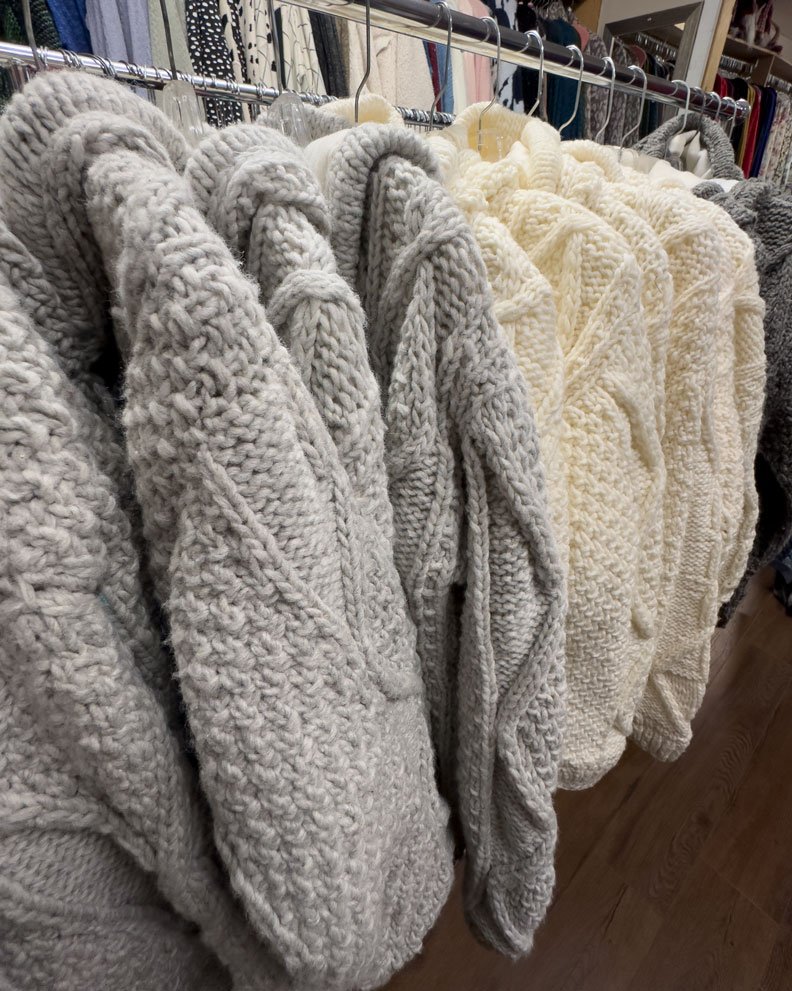
Fabric matters in cold conditions, and there are some dos and don’ts that you need to know when putting together you winter outfits.
Wool
Natural insulator, traps body heat, and wicks away moisture to keep you dry and warm
Made of wavy fibers that create air pockets that hold in heat
Can absorb a significant amount of moisture without feeling damp, which helps regulate body temperature
Breathable, odor-resistant, and durable
Choose either Merino wool or smart wool which are soft and warm
Synthetic fibers
Help keep you warm by wicking away moisture or sweat
Lightweight and warm
Fleece is an excellent insulator that traps body heat
Look for clothes made from high quality fleece, polyester, nylon, acrylic, and polypropylene
Fabrics to avoid
Cotton, as it absorbs moisture and loses insulating power when wet
Jeans, as they are made of cotton, do not keep heat in well, and can be very uncomfortable and even crunchy when cold
Low-quality synthetics, as they may not wick away moisture effectively
Why Layering is Important in Cold Weather
Any Canadian who spends time being active outdoors know that layering winter clothing is crucial. Layering clothes traps air between layers creating insulation. Wearing multiple layers also allows you to adjust your temperature by taking off unneeded clothes as your temperature rises with activity. Avoiding sweating is important, as it can freeze on your body when you stop activity, and chill you further. Remember to keep layers loose to allow air circulation; this will help keep you warm.
Base Layers
Wearing appropriate base layers is a key part of dressing for winter in Canada. Below are some guidelines of what to wear:
Thermal underwear, long johns, insulated tights
Thermal camisole or undershirt
Mid-layers
On top of your base layer, choose a mid-layer such as:
Long sleeve made from merino wool, fleece or a warm fiber
Fleece zip up or hoodie
Wool sweaters
Fleece pants, thick insulated jogging pants or yoga pants
Outerwear
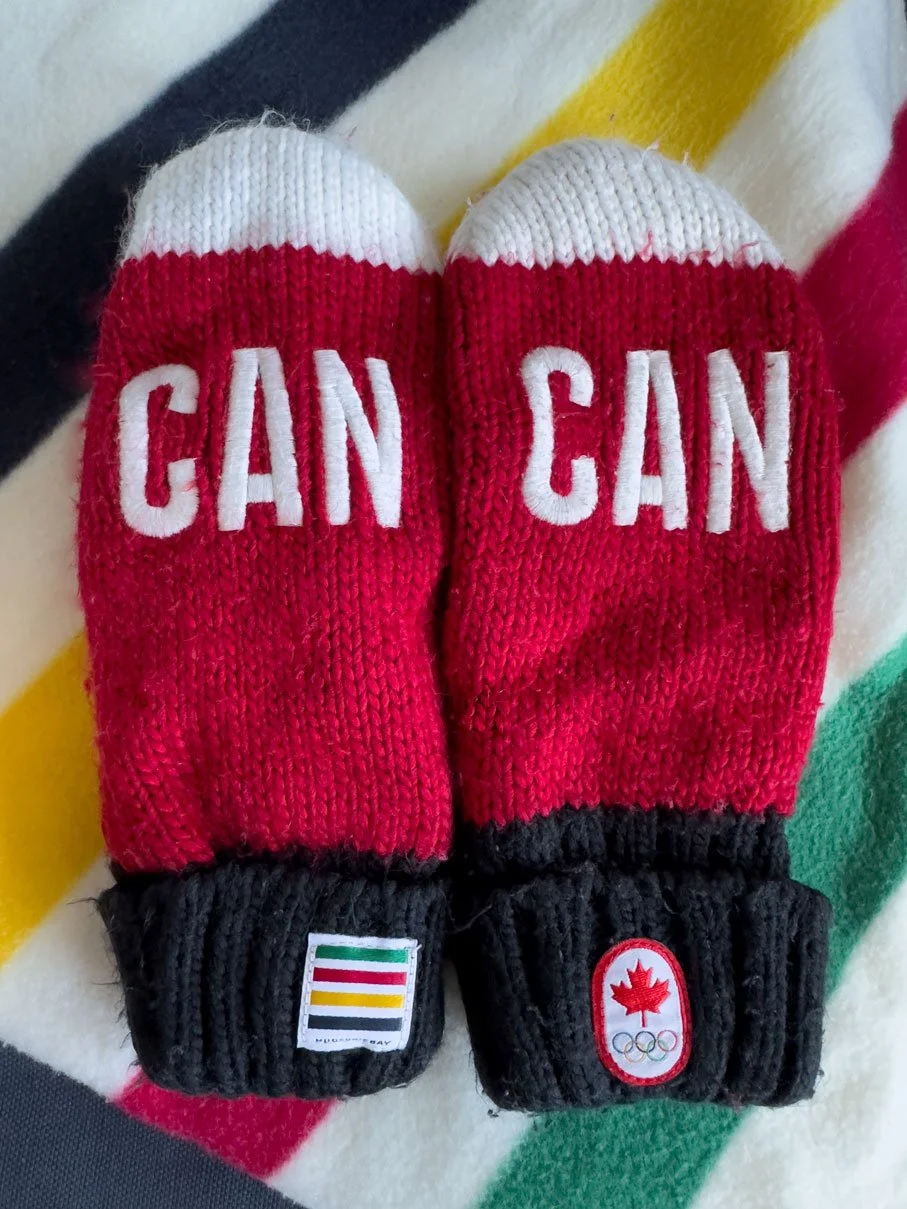
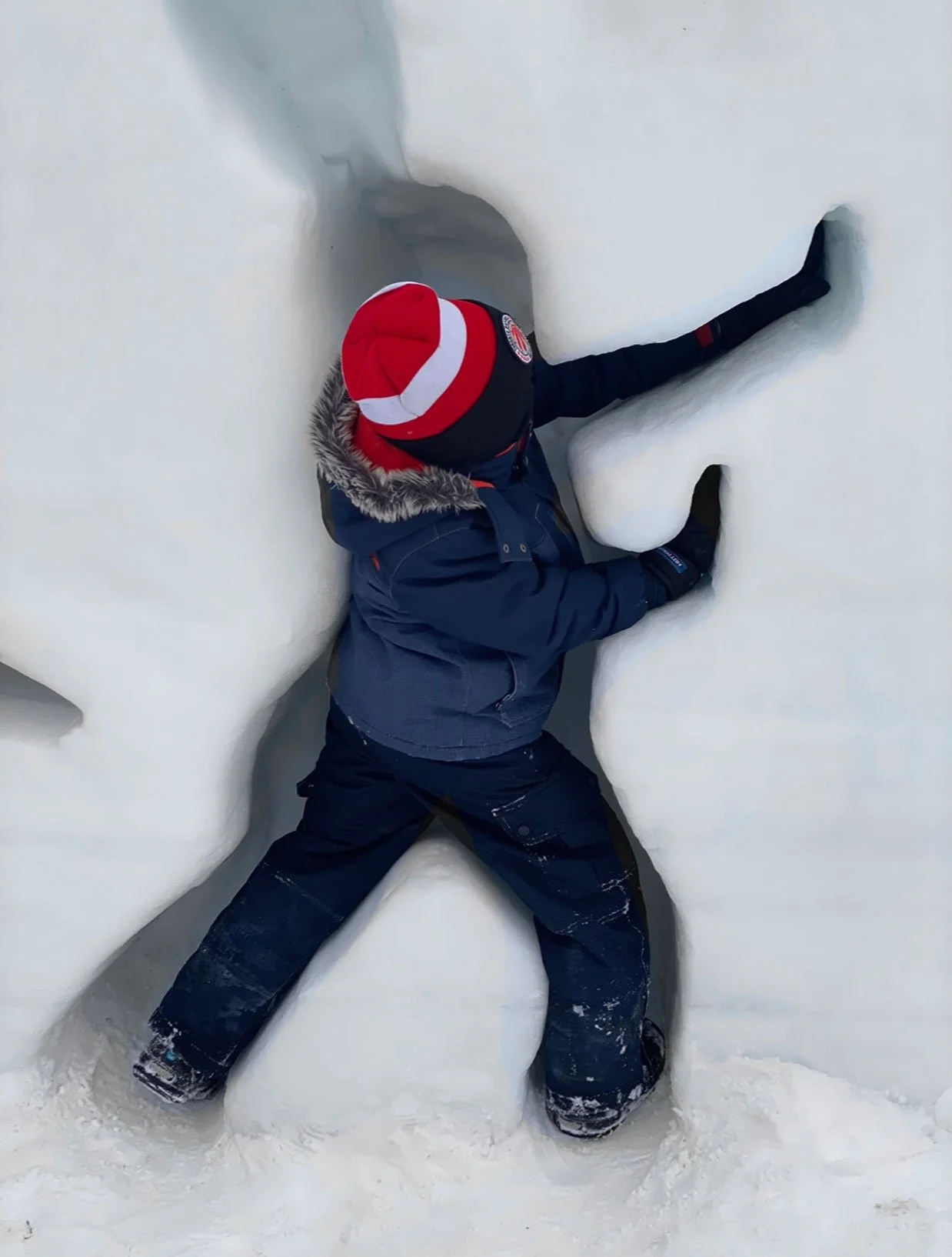
If you’re going to be outdoors for long periods of time, or in snowy conditions, make sure you wear proper outerwear:
Snowpants or waterproof pants for protection from the cold, wind, and snow
A warm, insulated, and waterproof or water-resistant winter coat – down-filled or synthetic down-filled coats are the warmest. Choosing a coat with a collar that zips above your neck and a large hood is ideal.
Scarf or neck warmer that can cover your face
Waterproof gloves or mittens – we recommend a second pair of lighter gloves under the waterproof ones
Wool hat or toque that covers your ears and part of your forehead
Earmuffs or headlands can be more stylish, but don’t provide as much heat retention than hats
Footwear
Cold feet can often end your winter adventures early, and feet are always the first to get cold. Here are some tips to keep your feet cozy:
Thick wool socks – 2 pairs can be helpful, but make sure they are not too tight.
A pair of warm, insulated, and waterproof winter boots is essential for walking in snow and cold temperatures. If you’ll be trekking through deep snow, a pair above your calves is best. Non-lace-up boots are also best to avoid snow getting in the gaps.
Accessories and Body Care
Below are some important winter accessories that you’ll need for winter in Canada:
Sunglasses - snow brightness and glare can be blinding on sunny days, so sunglasses are essential
Hand warmers for hands or feet – these small, flat, beanbag-like packs use a chemical reaction, which when exposed to air, creates heat. Great for putting in your mittens, pockets or boots.
Sunscreen is important on sunny winter days – it’s very possible to burn in winter so wear proper SPF
Lip balm – keep your lips from cracking with a good lip balm, and be sure to reapply regularly
Tips for Winter Electronics
Keep your winter selfies alive longer with these winter electronics tips:
Bring a portable charger with you, and keep it in an interior pocket
Keep your phone warm, put it in an inside pocket if possible, or alternatively an outside jacket pocket. If you keep it in your bag, or exposed to the cold, it will lose battery power rapidly
Touch screen mittens or gloves are great for keeping your fingers warm while snapping pics
Winter Food and Drink Tips
Water bottle – Keeping hydrated is important in the winter. You can dehydrate easier in the winter because your body's thirst sensation is dulled in cold weather, so you’re less likely to feel thirsty even when you are losing fluids. Fill your bottle full, so it takes longer to freeze.
Thermos – If you’re able to bring a thermos with you, this is the best way to warm up and get energized. Choose a hot soup or broth for more nutrition, or classic coffee, tea or hot chocolate
Snacks – You exert a lot more energy in cold weather so be sure to have a good meal before you head out, and take some snacks along the way. Remember that snacks freeze, so avoid granola bars or fruit bars (you won’t be able to bite into them unless you defrost them in your coat!). Some good choices with low water content are chocolate covered nuts, other nuts and seeds, dried fruit, cheese sticks, crackers, chips.